
BLOG

Acupuncture relief
Acupuncture + Diet: Allergy Relief Without the Meds
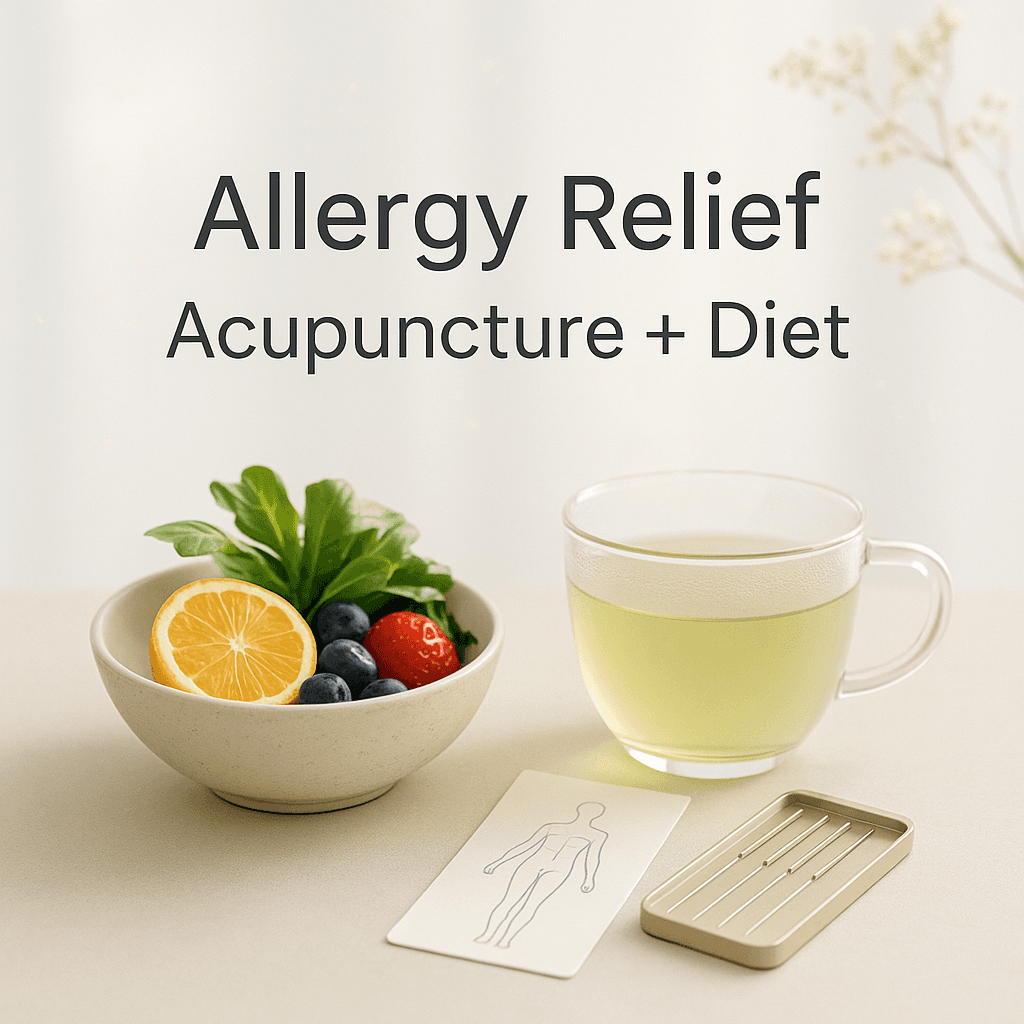
If seasonal or environmental allergies hit you hard, you already know how long they can linger. Weeks of congestion, sneezing, watery eyes, sinus pressure, and that low-grade fatigue that makes everything feel harder than it should.
For a lot of people, the go-to is simple: over the counter allergy medication, prescription allergy medication, nasal sprays, eye drops, or some combination of all of the above. And to be clear, those options can be incredibly helpful.
At the same time, many people start looking for alternatives because:
They do not love taking something daily for weeks or months.
Symptoms still break through.
They feel “dried out,” foggy, or just not like themselves.
They want more than symptom control and are hoping to feel less reactive overall.
This guide is about other options. Specifically, how acupuncture and realistic dietary changes may support allergy relief by calming reactivity and supporting sinus and immune balance over time. Cedar Healing Arts offers such integrative approaches like acupuncture and dietary shifts.
Some people still need meds, especially during heavy pollen days or for more severe symptoms. The goal here is not to shame medication. And there may be a practical, integrative approach that may help reduce reliance, with appropriate guidance.
Why allergy meds don’t always feel like a real solution
Most allergy medications are designed to manage symptoms. They can be great at reducing sneezing, runny nose, itchy eyes, and hives. But symptom control is not the same as changing the underlying sensitivity.
That is often why people feel stuck in a loop: they take something, feel better for a while, and then symptoms come right back when they miss a dose or when the pollen count spikes.
Here are a few common frustrations people report:
Breakthrough symptoms even while medicating
Needing daily dosing for long stretches
Medication “wearing off” partway through the day
Persistent sinus pressure, post-nasal drip, or headaches
Feeling like they are managing a problem rather than improving it
You will also see many popular options recommended as “non drowsy allergy medication,” including products like Claritin Allergy (loratadine) and Reactine Extra Strength (cetirizine), along with other over the counter allergy medication choices. These can be useful tools, but not everyone loves the tradeoffs.
Some people experience side effects such as dry mouth, grogginess (even with “non drowsy” formulas), or a wired-tired feeling. Others run into rebound congestion with certain nasal sprays if used too long.
All of that is a big reason people search for natural remedies for allergies. Not because medication is “bad,” but because they want better options for long-term comfort and resilience.
How acupuncture may help with allergy relief (in plain English)
Acupuncture, a practice that is often described in traditional terms, can be understood more simply.
Many allergy symptoms stem from an overactive inflammatory response, high stress levels, and irritation in the nasal and sinus tissues. Acupuncture aims to help regulate those systems by influencing circulation, nerve signalling, and the body’s stress response. In fact, acupuncture has been known to alleviate anxiety as well, which could further help in managing allergy symptoms. Many people notice that over a series of treatments they have:
Less sneezing and runny nose
Less nasal congestion and post-nasal drip
Reduced sinus pressure and fewer headaches
Less itchy or watery eyes
Less throat tickle and irritation
Better sleep and energy (which can lower symptom sensitivity)
A key point: results are usually cumulative. One session can feel calming, and some people notice immediate breathing changes, but most people do best with a treatment plan to support leading up to and during allergy season rather than a one-off visit.
What research generally suggests (high-level)
Acupuncture for Allergic Rhinitis: A Systematic Review and Meta-Analysis
Efficacy of Acupuncture in Allergic Rhinitis: A Meta-Analysis of Randomized Controlled Trials
Acupuncture and Allergy Relief: Current Evidence and Future Directions
Overall, research in acupuncture for allergic rhinitis suggests it can improve symptom scores and quality of life for some people. Outcomes vary based on the person, how consistent treatment is, and how intense the allergy exposure is that season.
The most realistic expectation is not “instant cure.” It is often more like: fewer flare-ups, lower intensity when symptoms do show up, and better day-to-day function.
What an acupuncture plan for allergies typically looks like (and why timing matters)
Timing: pre-season tune-up vs starting mid-flare
If you can, starting before your worst season hits is ideal. Think of it like preparing your system so it is less reactive when exposure ramps up.
That said, starting mid-flare can still help. It may just take a bit more consistency at first, especially if congestion and inflammation are already entrenched.
A common frequency (example)
A treatment plan can look like:
1x/week for 4 to 6 weeks, then
Space out treatments based on response (every 2 to 4 weeks, or as-needed during peak season)
This is always individualized. Someone with mild symptoms may need less. Someone with long-standing sinus issues may benefit from a longer ramp-up.
What gets worked on in acupuncture sessions
Even when the main complaint is “my nose is a mess,” treatment often supports a bigger picture, such as:
Nasal and sinus pathways (congestion, pressure, drip)
Stress regulation (because stress can amplify inflammation and reactivity)
Sleep support (poor sleep makes symptoms feel louder)
Digestive support when relevant (many people notice gut symptoms during flares)
Dietary changes may be suggested as the current diet could be amplifying the symptoms.
How to measure progress
Try looking for practical wins like:
Less congestion on waking
Fewer tissues used per day
Less sinus pressure or fewer headaches
Less post-nasal drip
Better sleep quality
Needing allergy medication less often (when appropriate) or not at all
Safety notes
Acupuncture is supportive and safe when performed by a qualified registered TCM acupuncturist. Still, it is important to consult a physician or allergist if you have:
Wheezing, asthma symptoms, or shortness of breath
Severe swelling
A history of anaphylaxis
Recurrent sinus infections, high fever, or severe facial pain
For those experiencing persistent sinus issues, it's essential to understand that sinusitis might be a contributing factor.
Dietary changes that may calm allergy symptoms (simple, realistic swaps)
Diet is not about perfection. It is about lowering your overall inflammatory load and supporting the gut-immune interface, especially during peak allergy weeks.
A helpful approach is a 2-week “allergy reset” where you choose just 2 to 3 changes, track symptoms, and see what actually makes a difference for you.
Start with hydration and mucus-thinning basics
When you are dehydrated, mucus gets thicker and sinus pressure often feels worse. Simple supports include:
Warm fluids (tea, warm water with lemon, broths)
Soups and stews
Adequate plain water throughout the day
If you want an easy rule: aim for pale-yellow urine most of the day, and add an extra warm drink in the morning and mid-afternoon.
Common suspects during flares (individualized)
Not everyone reacts to the same things, but many people notice worse congestion or inflammation when they lean heavily on:
High sugar foods
Alcohol (especially wine and cocktails)
Ultra-processed foods
Energetically cold foods
Dairy ( muscus forming foods)
This is not about never having them. It is about noticing that during peak symptoms, these can make your baseline more reactive.
Supportive foods to lean on
During allergy season, many people do well with:
Colorful produce (berries, leafy greens, peppers, broccoli, carrots)
Omega-3 sources (salmon, sardines, chia, flax, walnuts)
Herbs and spices like ginger and turmeric
Broths and soups
Fermented foods if tolerated (more on histamine below)
A practical “anti-inflammatory plate” for allergy season
If you do not want a complicated diet plan, this template works well:
1/2 plate vegetables
1/4 plate protein
1/4 plate fiber-rich carbs
Healthy fats (olive oil, avocado, nuts, seeds)
Busy-person meal examples
Warm salad + salmon + olive oil dressing
Stir-fry veggies + tofu or chicken + brown rice
Chili with beans + a side of greens
Warm bowl (curry, tomato, chickpeas, chicken, olive oil)
Bitter greens, vegetables, beans, qinuoa
A simple grocery list for one week
Leafy greens (spinach, arugula, kale)
Cruciferous veggies (broccoli, cauliflower)
Color veggies (squash, carrots, daikon)
Berries (fresh)
Lemons, ginger, garlic
Sauerkraut,Kimchi
Protein: eggs, chicken, salmon, tofu, legumes
Fiber carbs: oats, quinoa, brown rice, sweet potatoes, beans/lentils
Fats: olive oil, avocado, walnuts, chia/flax
Histamine: when food triggers feel like allergies (and what to try first)
Sometimes food reactions can look like allergies. The idea is often described as “histamine load.” In simple terms, some foods are higher in histamine or can trigger histamine release. For sensitive people, that can show up as:
Runny nose or congestion
Itchy or watery eyes
Headaches
Flushing
Feeling “puffy” or inflamed
Common higher-histamine or histamine-liberating items people watch during flares include:
Aged cheeses
Alcohol, especially wine
Cured meats
Vinegar-heavy foods
Some fermented foods
These are not “bad foods.” They are just sometimes tricky when symptoms are already high.
A first-step experiment: try a short, temporary reduction during peak symptoms (think 7 to 14 days), then reintroduce and see what actually matters for you. If you find yourself getting overly restricted or anxious about food, that is a good moment to get support and simplify.
Gut support (because immune balance isn’t just in your nose)
A large part of your immune system is connected to your gut. You do not need to memorize biology to use this idea in a helpful way.
If your digestion is off, your inflammation tends to run higher, and your system may feel more reactive. Gentle gut supports include:
Consistent meals (skipping meals can add stress)
Plenty of fiber (beans, oats, veggies, berries, chia)
Probiotics or fermented foods if tolerated
Minimizing ultra-processed foods, especially during peak symptom weeks
If digestive symptoms accompany allergies (bloating, reflux, irregular stools), it can be worth addressing them alongside acupuncture. Many people do better when the whole picture is supported.
Natural symptom relief you can pair with acupuncture and diet (without turning it into a full-time job)
You do not need 14 wellness routines. Pick one or two that fit your life.
Sinus pressure relief basics
Steam inhalation (a hot shower works)
Warm compress over cheeks and forehead
Saline rinse or spray (use sterile/distilled water when appropriate, follow product directions)
Sleep with your head slightly elevated
Acupressure facial massage
Itchy eye relief
Cool compress
Rinse allergens off your face and lashes after outdoor time
Avoid rubbing (it can make the itch cycle worse)
Change pillowcases more often during peak season
Home environment tweaks
HEPA filter if you have one
Keep windows closed on high pollen days
Shower before bed so pollen is not on your hair and skin
Consider nasal barrier strategies if appropriate for you
In addition to these tips, incorporating some natural remedies for flu could also provide significant relief during allergy seasons or flu outbreaks.
Stress and sleep matter more than people think
Poor sleep raises sensitivity. A simple wind-down routine helps: dim lights, no screens for 20 minutes, a warm shower, and a consistent bedtime when possible.
Herbals teas to support
Green tea and stinging nettle tea have antihistamines that help with allergy symptoms.
Ginger can be as effective as allergy medication with fewer side effects.
Licorice root has anti-inflammatory properties that may reduce allergy symptoms.
Rooibos: Contains bioflavonoids called rutin and quercetin which block the release of histamine
Green Tea: Contains polyphenols (such as EGCG) which counter inflammation. Green tea is also high in quercetin, making it a natural anti-histamine.
Try it: Mao Feng Grade A, Gunpowder, Japanese Genmaicha
Ginger: Is a natural anti-histamine and offers anti-inflammatory benefits from the compound gingerol
Turmeric: Derives anti-inflammatory compounds from curcumin and may also limit histamine release
Try it: Revive, Golden Tonic, Vitality
Adaptogens: Help combat seasonal allergies by lowering stress levels and increasing the body’s immunity
Try it: Ashwaganda, Ginseng and Holy Basil (Tulsi)
A helpful way to think integratively is:
Use acupuncture + diet to reduce baseline symptoms and reactivity over time
Use medication as-needed rather than as the only tool (when appropriate and with guidance)
A simple 14-day plan: acupuncture + diet + daily habits (easy to follow)
If you like structure, here is a straightforward plan you can actually follow.
Week 1 (Days 1 to 7): set the foundation
Book your first acupuncture session
Start hydration basics (add 1 to 2 warm fluids daily)
Take damp or inflammatory food out of your diet (start with dairy and processed sugar)
Add one sinus routine: saline spray/rinse or steam, once daily
Week 2 (Days 8 to 14): refine based on symptoms
Get your second acupuncture session
Tighten sleep and allergen-reduction habits (shower before bed, fresh pillowcase, windows closed on high pollen days)
Track what is working
Each day, rate these from 0 to 10:
Congestion
Sneezing
Itchy/watery eyes
Sinus pressure/headache
Sleep quality
Your goal is not perfection. You are looking for a noticeable reduction in intensity and frequency, and potentially less need for daily allergy medication with appropriate clinician guidance.
How Cedar Healing Arts supports allergy relief (what you’ll get in a visit)
Cedar Healing Arts is an acupuncture and wellness clinic that supports people who are tired of white-knuckling their way through allergy season.
In a visit, the focus is not only on your symptoms, but also on the pattern behind them. Your intake may include:
What your symptoms look like (congestion, sneezing, itchy eyes, sinus pressure)
Triggers and timing (seasonal, environmental, indoor)
Sleep, stress, and energy
Digestion and food patterns
What you have already tried, including OTC options and sprays
From there, treatment is personalized so it matches your real life, not just a generic “allergies” label.
After sessions, people commonly report feeling things like easier breathing, calmer sinuses, improved sleep, and better energy. Results vary, and they often build over time, especially with a short seasonal plan.
If you are local and want support, you can book online for an acupuncture appointment with Sonja Denelzen R.ac
Book your acupuncture appointment
If you are ready to try a natural, integrative approach to allergy relief, the next step is simple:
Book online for an acupuncture appointment with Sonja:
When you come in, it helps to bring a short list of:
Your main symptoms (sinus pressure relief, itchy eye relief, congestion, sleep issues)
What you have tried (for example: Claritin, Reactine, nasal sprays)
What you want most this season (breathe easier, sleep better, fewer flare-ups)
You do not have to tough it out for weeks. With the right plan, many people feel steadier, less reactive, and more in control of their allergy season.
FAQs (Frequently Asked Questions)
Why do allergy medications sometimes fail to provide complete relief?
Allergy medications primarily manage symptoms like sneezing and congestion but don't change the underlying sensitivity causing allergies. This often leads to breakthrough symptoms, the need for daily dosing, medication wearing off during the day, persistent sinus pressure, and feeling like you're just managing rather than improving the problem.
What are common side effects of over-the-counter allergy medications?
Some people experience side effects such as dry mouth, grogginess—even with 'non-drowsy' formulas like Claritin Allergy (loratadine) or Reactine Extra Strength (cetirizine)—or a wired-tired feeling. Additionally, certain nasal sprays can cause rebound congestion if used too long.
How can acupuncture help with seasonal allergies?
Acupuncture may help regulate overactive inflammatory responses, reduce stress levels, and alleviate irritation in nasal and sinus tissues by influencing circulation and nerve signaling. Over multiple treatments, many people notice less sneezing, reduced nasal congestion and sinus pressure, fewer headaches, less itchy or watery eyes, decreased throat irritation, better sleep, and increased energy.
What does research say about acupuncture's effectiveness for allergic rhinitis?
Research suggests acupuncture can improve symptom scores and quality of life for some people with allergic rhinitis. While outcomes vary based on individual consistency and allergy exposure intensity, acupuncture typically leads to fewer flare-ups, milder symptoms when they occur, and better day-to-day functioning rather than an instant cure.
When is the best time to start acupuncture treatment for allergies?
Starting acupuncture before your worst allergy season hits is ideal to prepare your system and reduce reactivity. However, beginning mid-flare can still be beneficial but may require more consistent treatments initially to address entrenched congestion and inflammation.
What does a typical acupuncture treatment plan for allergies involve?
A common plan includes one session per week for 4 to 6 weeks followed by spacing treatments every 2 to 4 weeks or as needed during peak allergy season. Treatments focus not only on nasal and sinus pathways but also on stress regulation and sleep support because managing stress and improving sleep can lower symptom sensitivity.

Visit Cedar Healing Arts in Gravenhurst
Located in Gravenhurst, Ontario
Cedar Healing Arts offers acupuncture and holistic care in a calm, nature-aligned setting.
We welcome clients from:
• Gravenhurst
• Bracebridge
• Huntsville
• Muskoka Lakes
• Surrounding communities
Appointments available by online booking.
193 Maple Heights Drive, Gravenhurst, ON, P1P 1R1, Canada
(343) 321 1212 for Calls Only
WhatsApp 1-343-321-1212 For Text or Calls
Email: info@cedarhealingarts.com
© 2026 CEDAR HEALING ARTS All Rights Reserved
Facebook
Instagram